
Eric Swalwell resigned from Congress in April after a sex scandal that ended his career.
His wasn't the only settlement taxpayers covered.
Congress ran a decades-long sexual harassment coverup and billed taxpayers for every penny of it.
The Taxpayer-Funded Congressional Sexual Harassment Slush Fund
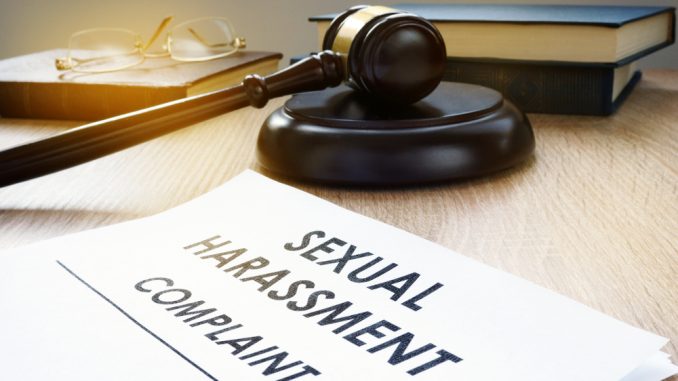
The Office of Congressional Workplace Rights – OCWR – ran a taxpayer-funded settlement account for decades that lawmakers used to quietly pay off sexual misconduct accusers.
Between 1996 and 2018, the OCWR approved 349 awards or settlements against legislative branch offices.
Eighty of those involved House or Senate member offices directly.
Taxpayers covered the tab.
Six names have now been confirmed. The biggest payout went to Democrat Eric Massa of New York – $115,000 across three cases involving male staffers who alleged sexual harassment.
Democrat John Conyers of Michigan collected $77,000 in settlements and severance before resigning in 2017. Republican Blake Farenthold of Texas had $84,000 paid on his behalf. Republican Patrick Meehan of Pennsylvania cost taxpayers $39,250. The names of every other lawmaker who used the fund stayed buried.
Thomas Massie wanted the rest of those names.
Massie told colleagues the American people needed to know Congress was conducting itself with integrity – and that meant opening the books.
"Transparency is essential to the operation of government," he said.
Thomas Massie Forced a 420-0 Vote to Expose the Slush Fund
Massie forced a vote on his privileged resolution – H.Res. 1399 – that bypassed congressional leadership entirely.
The House passed it 420-0 on June 30.
Every voting member went on record for transparency.
The OCWR told the Daily Caller News Foundation this week it will comply with the resolution within 60 days – but refused to say anything else.
"We fully intend to comply with the provisions of H. Res. 1399 within 60 days of passage, as directed by the resolution," the OCWR said. "We will have no further comment until then."
Sixty days from June 30 lands on August 29.
The House Ethics Committee – which claims it was never notified of any settlements – says it doesn't even have the records Massie is asking for.
Meanwhile, OCWR confirmed that case files predating 2004 were destroyed under a retention policy the office established in 2013.
Twenty or more physical case files from the 1996-to-2003 period are gone.
The records of six additional cases from between 1997 and 2001 – including the settlement agreements themselves – no longer exist at all.
The American people will never know who those lawmakers were.
The Loophole That Let Congress Hide Sexual Harassment Settlements for Decades
Congress passed the Congressional Accountability Act in 1995 – the law that created this settlement fund – because lawmakers were exempt from employment rules that governed every other American employer.
After the MeToo movement, a 2018 reform banned taxpayer money for future settlements and required annual reporting.
Since that law passed, the Ethics Committee says zero members have been reported for settlement payments.
Massie doesn't believe it.
His resolution broadened the definition to catch any case where sexual misconduct was any part of the underlying allegation – even if the settlement was formally logged under a different category to keep the harassment charge off the record.
He suspected Congress was hiding behind its own paperwork – and wrote the resolution to close that door.
Massie won't be in Congress to see what comes out.
He lost his primary in May to a Trump-backed challenger.
A departing member with nothing left to lose forced the vote that 420 sitting members wouldn't force on their own.
Nancy Mace of South Carolina voted "present" and called the resolution "political theater" because she already subpoenaed the OCWR in March and released names in May.
She did the work.
Massie's resolution casts a wider net – covering investigations, not just payouts, and designed to catch cases that prior disclosure efforts left uncovered.
August 29 is the deadline – but it carries no legal weight.
There is no penalty for missing it.
The Ethics Committee already said it doesn't have the records and pointed back to the OCWR.
The OCWR pointed to the clock and went silent.
Congress destroyed the records that would have identified the offenders, controls the timeline for releasing what remains, and answers to no one with the authority to make it move faster.
Sources:
- Nicole Silverio, "Congressional Office Silent For Now On Taxpayer Funds Doled Out For Lawmakers' Sexual Misconduct Settlements," Daily Caller, July 6, 2026.
- "House overwhelmingly passes resolution to unmask lawmakers' sexual misconduct settlements," OAN, July 1, 2026.
- "House votes to release sexual misconduct settlement data," Roll Call, June 30, 2026.
- "Ethics Committee says it doesn't have sexual harassment settlement data that House resolution seeks," Washington Times, July 2, 2026.
- "Newly released documents reveal more than $300,000 in taxpayer-funded sexual harassment settlements involving lawmakers," CNN, May 5, 2026.
- Rep. Nancy Mace press release, "Rep. Nancy Mace Secures Files From Taxpayer-Funded Sexual Harassment Slush Fund," May 5, 2026.